A Doctor Diagnoses the State: Why Alcohol Poses a Greater Danger Than Cannabis
Dr Brian Walker uses his medical expertise to contrast the staggering societal costs of alcohol with the potential benefits of a regulated cannabis market for Western Australians.
Brian Walker
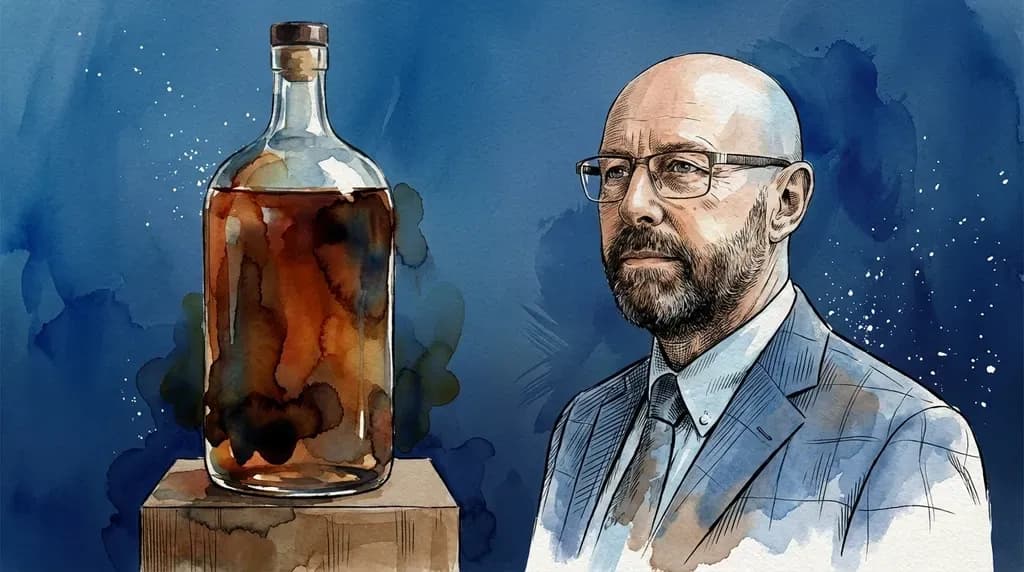
The heavy cost of a legal habit
In my years as a practising general practitioner, I have seen many things that a doctor never wants to see. I have sat with patients whose lives have been entirely ruined by a substance they can buy on almost any street corner. Recently, I treated a young man whose future was slipping through his fingers. He came to me for a medical certificate following seizures caused by alcohol withdrawal. Two convulsions later, he was in hospital with a head injury, his intelligent brain struggling to maintain the cognitive processes required for even the simplest work. It is a heartbreaking waste of potential.
We have reached a point where alcohol is so deeply normalised that we often ignore the visceral danger it poses to our families and our safety. The net social cost of alcohol in Australia was estimated years ago at 36 billion dollars per annum. Today, that figure has likely doubled to 72 billion dollars. This is not just a ledger of numbers: it is a record of emergency department ramping, hospitalisations, and lives lost to preventable chronic disease. While we play politics with regulation, our healthcare system is buckling under a weight that is largely self inflicted.
The shadow in our homes
Perhaps the most painful aspect of this diagnosis is the role alcohol plays in domestic violence. It is not merely a correlate; it is a primary pharmacological driver. Alcohol acts as a disinhibitor, suppressing the prefrontal cortex and activating aggression pathways in a way that is scientifically undeniable. It is implicated in up to 50 percent of all domestic violence incidents in Australia. This is a clear and present danger to the most vulnerable members of our community.
If you find these insights valuable and want to stay informed on how we can use science to drive better policy, I invite you to subscribe to my YouTube channel for more updates: Subscribe to Dr Brian Walker
When we compare this to cannabis, the pharmacology tells a different story. Evidence from jurisdictions where cannabis has been legalised shows statistically significant reductions in intimate partner violence. Cannabis is not associated with the same aggressive pathways. While I cannot recommend intoxication of any kind, we must follow the evidence. By keeping cannabis in the hands of criminals, we are not protecting anyone; we are simply removing our ability to regulate, educate, and prevent harm.
Separating medicine from the black market
The status quo is a paradox that defies medical logic. We legalise a substance that causes irreversible brain damage through Wernicke-Korsakoff syndrome and fuels a multi billion dollar drain on our economy, yet we criminalise a plant that could offer a billion dollar profit to our state through a regulated market. This isn't just about recreational use: it is about unlocking a hemp industry that could revolutionise manufacturing, from pet bedding to carbon neutral building materials. Fear has made this industry unviable for too long.
Prohibition does not keep cannabis away from young people; it ensures that the only people they can buy it from are criminals who have no interest in health and every interest in profit. By regulating properly, we can separate the markets, provide clinical guidance, and focus on genuine harm reduction. As forward thinkers, we must ask ourselves: how many more people have to be harmed before we adopt best practice? The evidence is clear. The current approach is costing us lives, money, and a healthy future. It is time for a framework based on science, not stigma.
You can read the full record of this debate in the official Hansard record. If you believe it is time for a sensible, evidence based approach to drug law in Western Australia, please consider joining Legalise Cannabis WA.

Written by
Hon Dr Brian Walker MLC
MB ChB · MRCGP · FRACGP · 45+ years as a GP
Brian Walker is a General Practitioner and Member for Western Australia in the WA Legislative Council. He is the Leader of the Legalise Cannabis Party WA and an advocate for evidence-based cannabis reform, healthcare improvement, and progressive policy in WA.
Share this article
Stay Updated
Get the latest news and parliamentary updates delivered to your inbox