A Prescription for Change: Why Every Family Deserves the Right to Love
Dr Brian Walker MLC argues for a compassionate, evidence-based approach to surrogacy and reproductive technology, moving past outdated discrimination to support all Western Australians in their journey to parenthood.
Brian Walker
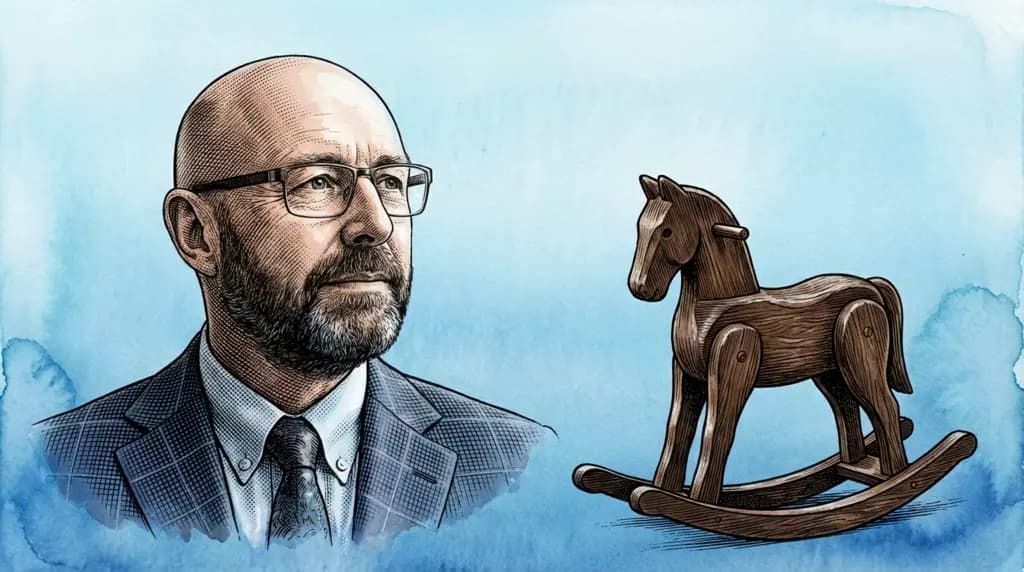
In my years as a GP, I have often been reminded that hope is itself a form of oxygen. When the body aches, hope breathes life, and nowhere is that truer than in the hope to create a family. Many times, I have sat with patients in my clinic who bemoan their inability to have a child of their own. The pain is visceral. It is a quiet, steady ache that diazepam cannot cure and red tape only worsens.
The Diagnosis of Our Current Laws
We are currently operating under a patchwork of laws from 1985, 1991, and 2008. While the world has moved forward, Western Australia has remained stalled, forcing our citizens to become reproductive refugees in their own country. I have heard the stories of couples forced to travel interstate or overseas, incurring massive financial and emotional costs just to access technologies that should be available at home. This isn't just bureaucracy: it is a waiting room where dreams are put on hold because of outdated prejudice.
The Assisted Reproductive Technology and Surrogacy Bill 2025 is a long overdue consolidation. It seeks to clear the scar tissue left by old discrimination. Currently, our laws prohibit gay men, single men, and transgender individuals from accessing altruistic surrogacy. As a doctor, I find the idea of discriminating against a patient’s desire to nurture a life based on their identity to be fundamentally at odds with the ethics of healing.
Evidence Over Fear
During the debate in Parliament, I heard concerns that this bill would lead to the exploitation of women or the trafficking of children. To those who suggest that the medical profession in Australia would tolerate such an outcome, I find that deeply insulting. We swear an oath: first, do no harm. Our profession maintains high ethical standards, and we do not support the commodification of life. We support the gift of life.
If you are enjoying these insights from the crossbench and want to stay informed on how we are fighting for evidence-based policy in Parliament, please consider subscribing to my YouTube channel for more updates.
Critics argue that we are putting the wishes of adults ahead of children. But consider this: a child born through these methods is a child who is deeply, desperately wanted. They are born into families that have navigated stress, high costs, and legal hurdles just to hold them. Compare that to the many unplanned pregnancies that occur every day through chance. To demand a higher standard of "fitness" for these parents than for the general population is a double standard rooted in fear, not science.
A Legacy of Love
We also touched on the sensitive issue of posthumous use of genetic material. Some see it as an ethical minefield. I see it as a matter of love and legacy. If a partner is tragically taken, leaving behind a grieving loved one who still wishes to carry out their shared dream of a family, who are we to stand in the way? In medicine, we deal with life and death every day. We should choose life. We should choose the path that allows a legacy of love to continue.
The Western Australia I love is a welcoming, multicultural, and diverse society. It is time our laws reflected our hearts. We are not just passing a bill: we are validating the families that already exist and making space for those yet to be born. While the major parties play politics with these deeply personal issues, we must look at the evidence and the human cost of inaction.
To read the full debate on this matter, you can view the official Hansard record here. If you believe in a Western Australia where everyone has the right to love and be loved, I invite you to join Legalise Cannabis WA as we continue to fight for a fairer, more compassionate state.

Written by
Hon Dr Brian Walker MLC
MB ChB · MRCGP · FRACGP · 45+ years as a GP
Brian Walker is a General Practitioner and Member for Western Australia in the WA Legislative Council. He is the Leader of the Legalise Cannabis Party WA and an advocate for evidence-based cannabis reform, healthcare improvement, and progressive policy in WA.
Share this article
Stay Updated
Get the latest news and parliamentary updates delivered to your inbox