Diagnosing the Failure of Prohibition and the Rise of the Black Market
Dr Brian Walker MLC explores why increasing penalties for tobacco won't solve addiction, drawing on medical expertise to argue for regulation over a First Fleet mentality of punishment.
Brian Walker
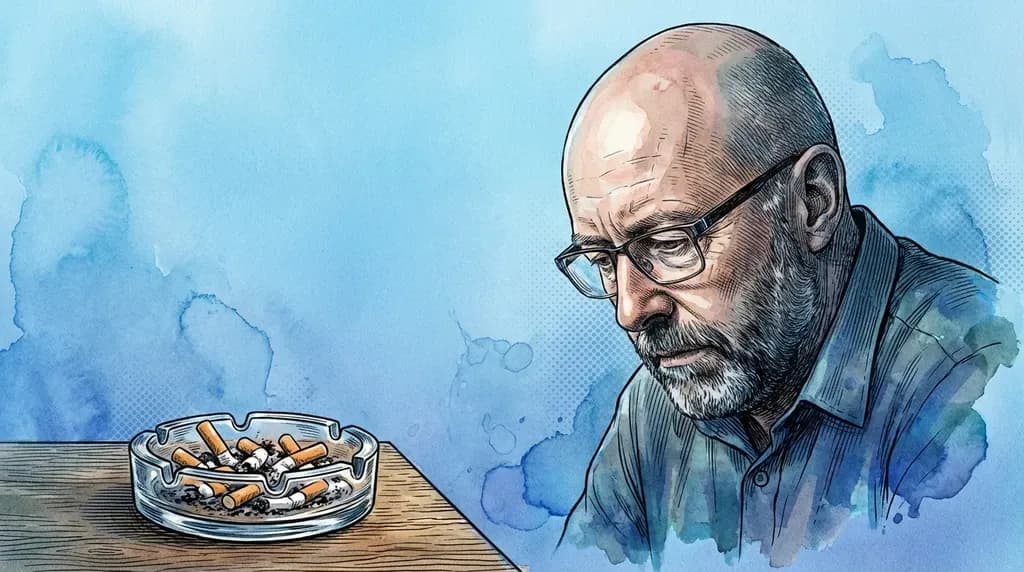
In my years as a medical practitioner, I have learned that a doctor who reaches for the prescription pad within a minute of a patient walking in is likely the wrong doctor. A good clinician must listen. They must look past the immediate symptoms to find the underlying disease. If a patient cannot sleep, a sleeping tablet might mask the problem, but it won't heal the trauma keeping them awake at night.
Parliament is currently debating the Tobacco Products Control Amendment Bill 2026, and I fear we are making a grave misdiagnosis. The House is looking at the symptoms, illegal stores, organised crime, and firebombings, and prescribing a heavy dose of punishment. But as someone who has dedicated his life to science and healing, I must ask: since when has a First Fleet mentality of transportation and imprisonment cured an addiction?
The underlying cause of the black market
I am a passionate anti-smoker. I detest tobacco. It killed my father at fifty and stole years of quality life from my mother. In my clinic, I see the visceral reality of this addiction: patients losing feet and fingers to cardiovascular disease, or facing the slow agony of bladder cancer. Tobacco is a health catastrophe that claims twenty-four thousand Australian lives every year.
However, we must be honest about why the illicit trade is exploding today. When we drive the price of a legal product so high that a struggling parent must choose between their addiction and putting food on the table, we create a vacuum. Criminals do not create demand; they exploit it. By making legal options unaffordable and safer alternatives like regulated vaping nearly impossible to access, we have handed a multi-billion dollar industry to organised crime on a silver platter.
The evidence from around the world is clear: prohibition does not work. In countries where total bans were attempted, tobacco use actually rose. The illicit market thrives because demand persists. While the major parties suggest that fifteen years in prison or million-dollar fines will solve this, history tells a different story. We are treating the symptom while the disease of addiction goes unaddressed.
Evidence-based policy is the only way forward. If you value a science-first approach to society, I invite you to subscribe to my YouTube channel for more updates on my work in the Legislative Council: Subscribe to Dr Brian Walker
A prescription for real change
This bill is overwhelmingly an enforcement bill. Only a small fraction of its focus is on health. We are essentially asking the police force, already under immense strain, to manage a failure of public health policy. We are treating nicotine trafficking with more severity than some forms of violent crime, yet we cannot provide a simple, regulated pathway for people to quit.
In the past, Australia successfully lowered smoking rates through advertising bans, plain packaging, and making smoking unsexy. We won hearts and minds through education, not the threat of a jail cell. When we treat smokers as criminals, we entrench the black market. We need to focus on harm reduction and cessation support rather than just expanding the police's power to issue closure orders.
The risk we face is creating a state where gangland-style tactics become the norm because the profits of illegal trade far outweigh the risks of the law. As a doctor, I cannot support a treatment plan that I know will fail. We need a society that encourages people to enjoy fresh air and healthy lives through compassion and science, not through the blunt instrument of tiered penalties.
You can read the full transcript of my contribution to the debate in the official Hansard record. To support our fight for sensible, evidence-based drug law reform, consider joining Legalise Cannabis WA today.

Written by
Hon Dr Brian Walker MLC
MB ChB · MRCGP · FRACGP · 45+ years as a GP
Brian Walker is a General Practitioner and Member for Western Australia in the WA Legislative Council. He is the Leader of the Legalise Cannabis Party WA and an advocate for evidence-based cannabis reform, healthcare improvement, and progressive policy in WA.
Share this article
Stay Updated
Get the latest news and parliamentary updates delivered to your inbox