When Safety Protocols Become A Mystery In Our Emergency Services
Dr Brian Walker questions the government on conflicting directives regarding emergency driving protocols for DFES volunteers, highlighting the urgent need for clarity and support for our frontline responders.
Brian Walker
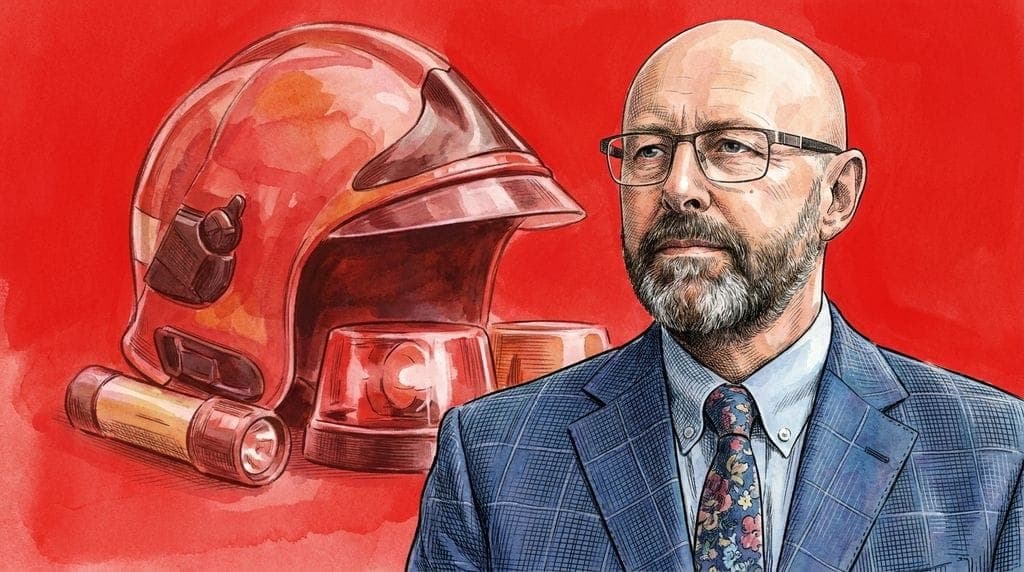
The confusion on the frontline
In my medical practice, clear communication is a matter of life and death. When a patient arrives in distress, we rely on established protocols. There is no room for ambiguity when the stakes are high. That is why I was alarmed this week by reports circulating among our Department of Fire and Emergency Services volunteers. The word on the ground was that a new instruction had been issued: a mandate requiring all volunteers to have completed a specific emergency driving course before they could legally use lights and sirens.
This is not just a procedural change. It is a potential barrier to rapid response. For our brave volunteers, every minute counts when a bushfire or a road accident occurs. If they are held back by bureaucratic uncertainty or conflicting training requirements, it is not just the system that suffers. It is the vulnerable Western Australians waiting for help. We rely on these men and women to act decisively. We must ensure they are supported, not hamstrung by sudden shifts in policy.
Seeking the truth in Parliament
I took these concerns to the Legislative Council today. I needed to know the reality of the situation. How many volunteers are impacted? When was the training last held? Are our fire managers caught in this web of red tape as well? These are the questions that matter when we talk about community safety. If you value the work we are doing to hold the government to account and bring transparency to these vital services, I invite you to subscribe to my YouTube channel for regular updates on our advocacy.
The response I received in the House was as swift as it was unexpected. The Minister representing the Minister for Emergency Services stated that no such instruction had been issued by Commissioner Darren Klemm. It was a categorical denial of the directive that many volunteers believed to be in effect.
The danger of communication gaps
This leaves us in a precarious position. If the volunteers believe a rule exists that the government denies, there is a fundamental breakdown in communication. Who is responsible for this confusion? When volunteers are left wondering whether they are authorised to perform their duties safely, the entire morale of our emergency response network is tested. We cannot have a system where the frontline is guessing at the rules while the clock is ticking.
We will continue to track this issue to ensure that our emergency services are empowered, not confused. You can read the full transcript of my questions and the government's response in the official record. If you believe we need a more sensible, evidence-based approach to how we manage our state's vital resources, I encourage you to join our movement at Legalise Cannabis WA.

Written by
Hon Dr Brian Walker MLC
MB ChB · MRCGP · FRACGP · 45+ years as a GP
Brian Walker is a General Practitioner and Member for Western Australia in the WA Legislative Council. He is the Leader of the Legalise Cannabis Party WA and an advocate for evidence-based cannabis reform, healthcare improvement, and progressive policy in WA.
Share this article
Stay Updated
Get the latest news and parliamentary updates delivered to your inbox