Equity should not be a privilege for the few in Western Australia
Dr Brian Walker examines why government funding for driving equity excludes medicinal cannabis patients, highlighting the urgent need for fair and evidence-based road safety reform.
Brian Walker
The divide between promise and practice
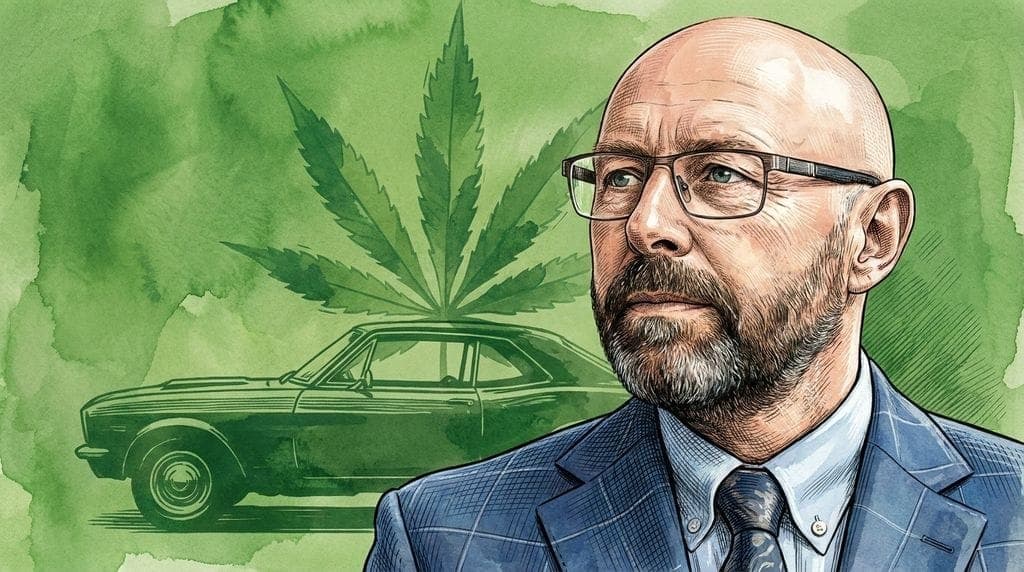
In the Legislative Council today, I raised a matter of fundamental fairness. The government recently announced a significant budget allocation for the Driving Access and Equity Program. This thirty-six million dollar initiative aims to help thousands of our fellow residents obtain their driver's licence. It includes investment in supervised driving, better training, and safer vehicles. The intention to improve road safety and independence is something I welcome. Yet, there is a glaring hole in this vision.
I asked if any of these funds would assist medicinal cannabis patients who are currently caught in a regulatory trap. These are people who use prescribed medication to manage their health, often to remain productive and present for their families. Despite being unimpaired, they face the constant threat of losing their licence simply for having a trace of medicine in their system. This is not just a bureaucratic oversight. It is a system that penalises law-abiding, responsible patients while they are doing their absolute best to function in everyday society.
As a medical doctor, I have spent my career assessing patients based on their health and their ability to function. I know that being impaired on the road is dangerous. I also know that current laws in this state do not measure impairment for medicinal cannabis users. They measure presence. This is a scientific absurdity that leaves thousands of West Australians in a state of constant, low-level fear that their ability to drive to work or collect their children could be stripped away at a routine stop.
If you value the work we are doing to hold the government to account on these vital issues, please subscribe to my YouTube channel. It is the best way to stay informed on our progress.
The reality of the road
The government's response to my question was sterile. They listed the criteria for the support program, focused on education and instructor training, while completely sidestepping the discrimination faced by medicinal cannabis users. It was a classic administrative pivot. In my many years of practice, I have never seen a patient cured by red tape. We have a growing community of people who are being treated as second-class citizens because they choose a medical treatment that the law has failed to catch up with.
This is a major concern for the many forward-thinkers who believe in science-based policy. When laws rely on stigma rather than truth, everyone suffers. The financial and personal cost to these patients is immense. Imagine the anxiety of knowing your access to essential services is constantly under threat because the law refuses to recognise a legitimate prescription. This isn't just policy. It is a waiting room for a disaster that happens to families across our state every single day.
We need to see an end to this discrimination. We need laws that are based on actual impairment, not an outdated prohibitionist lens. Until then, the promise of equity remains an empty vessel for many of our most vulnerable.
You can read the full account of this exchange in the official record. If you are ready to see real change in Western Australia, I invite you to join Legalise Cannabis WA and help us turn the tide.
Written by
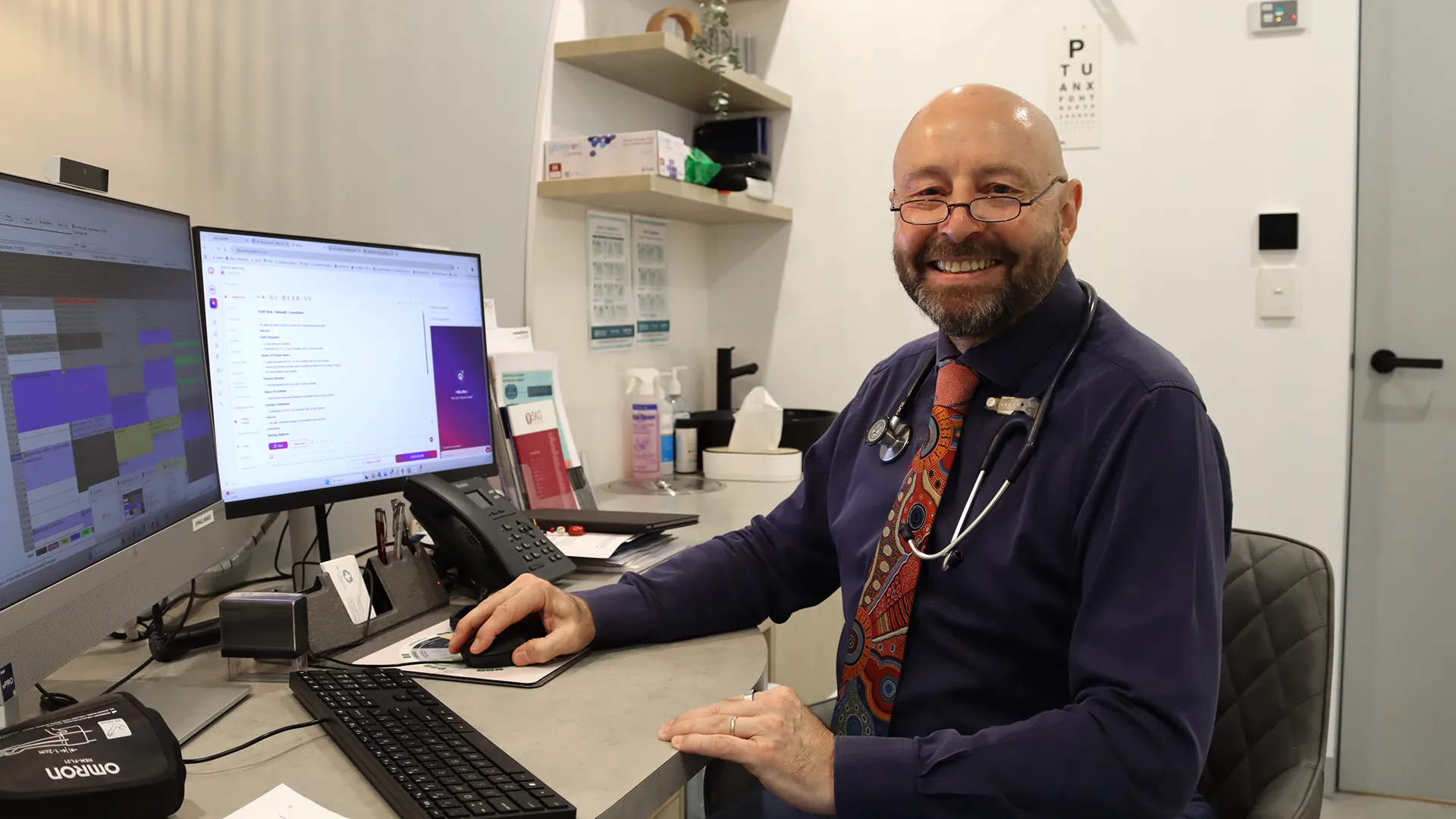
Hon Dr Brian Walker MLC
MB ChB · MRCGP · FRACGP · 45+ years as a GP
Brian Walker is a General Practitioner and Member for Western Australia in the WA Legislative Council. He is the Leader of the Legalise Cannabis Party WA and an advocate for evidence-based cannabis reform, healthcare improvement, and progressive policy in WA.
Share this article
Stay Updated
Get the latest news and parliamentary updates delivered to your inbox