Police Misconduct: What We Still Don't Know
Dr Brian Walker questions delays in disclosing data on police misconduct and drug-related dismissals, highlighting the risks to community trust and safety.
Brian Walker
The unexpected silence
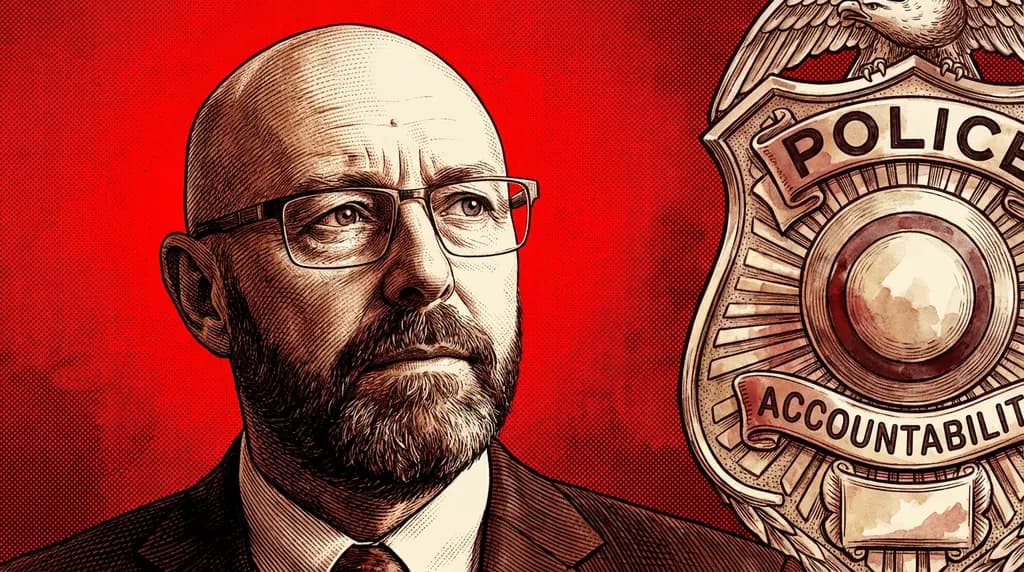
It’s unsettling. Data from the Corruption and Crime Commission and the WA Police Force tell us that 63 police officers were dismissed last year for serious misconduct. Yet for this current financial year, months after it ended, the full figures remain locked away. Why? The WA Police say they need more time to manually interrogate the data. But what does that mean for us, the public, who expect accountability and transparency?
This isn’t some minor bureaucratic delay. It’s a widening gap in the public’s right to know what’s happening within one of our most crucial institutions. Six months on and still no clarity. What are the risks here? A rise in misconduct, potentially drug-related, among officers without timely disclosure shakes the very foundation of community trust. This is not just about numbers — it’s about the people those officers are meant to protect.
How drugs and dismissal intersect
There’s more cause for concern. Reports suggest the number of sworn officers facing criminal charges surged by over 60 percent last year. But what about specifics? Has cannabis use or possession contributed to dismissals? Has any officer been dismissed under the Misuse of Drugs Act 1981?
I asked these questions directly in the House. The answer? No clear figures yet. Does that mean officers involved in drug offences might still be walking free in uniform? The fear isn’t just that there might be more instances than publicly recognised. It’s that the delay in transparency itself might be allowing misconduct to fester unchecked.
What trust demands from us
As someone who has spent a lifetime in medicine diagnosing and treating problems with honesty and patience, I can tell you that ignoring symptoms never cures the disease. Waiting six months for data on police misconduct is like waiting for a patient to tell you the severity of their pain days after they’ve left the room.
Those of us who value evidence, accountability, and science-based governance must keep pushing for openness. It’s tempting to become resigned, to accept the silence and delays as normal, especially when major parties play politics instead of acting. But the reality is clear: waiting rooms where patients die aren’t mere metaphor. Delays in policing transparency risk the safety of every Western Australian.
If you want to hear more about these important issues and how we can hold our institutions to account, I invite you to subscribe to my YouTube channel where I break down complex data and policy in plain English.
Your voice matters in demanding accountability and reform. For the full details and to read the official correspondence from the Legislative Council, you can visit the original Hansard record. And if you share the vision of a fairer, evidence-based future, consider joining Legalise Cannabis WA to help shape policy grounded in compassion and science at this link.

Written by
Hon Dr Brian Walker MLC
MB ChB · MRCGP · FRACGP · 45+ years as a GP
Brian Walker is a General Practitioner and Member for Western Australia in the WA Legislative Council. He is the Leader of the Legalise Cannabis Party WA and an advocate for evidence-based cannabis reform, healthcare improvement, and progressive policy in WA.
Share this article
Stay Updated
Get the latest news and parliamentary updates delivered to your inbox