Why We Must Not Rush the Laws of Life and Legacy
Dr Brian Walker MLC discusses the complexities of the new surrogacy laws, arguing that a rush to legislate without transparency risks the safety of women and the rights of children.
Brian Walker
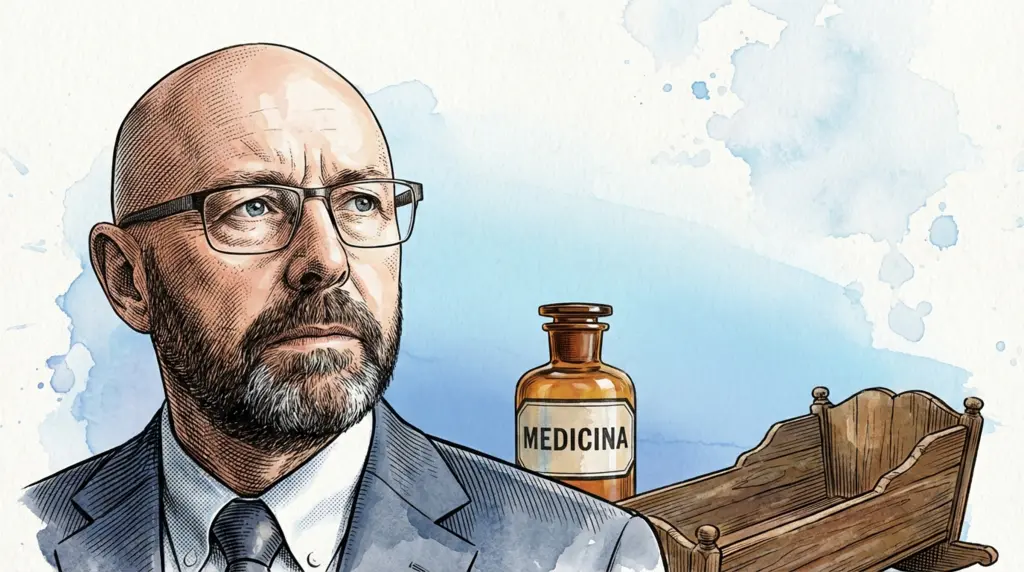
In my years as a GP, I have learned that the most complex cases are never solved by rushing the diagnosis. Medicine, like law, requires a steady hand and a clear eye for the long term consequences. Recently in Parliament, we have been debating the Assisted Reproductive Technology and Surrogacy Bill 2025. While the intention to help people form families is compassionate, the bill in its current form feels like a treatment plan missing its most vital safeguards.
The hidden risks in the fine print
We are looking at a piece of legislation that combines three massive areas of law: assisted reproductive technology, surrogacy, and the posthumous removal of gametes. This is not just a minor update to the books; it is a fundamental shift in how we manage the creation of life and the rights of the unborn. My concern is that by pushing this through without a committee inquiry, we are ignoring the visceral risks to the most vulnerable participants.
For instance, the proposal to lower the age of surrogates from 25 to 18 is deeply troubling. Science tells us that the human brain, particularly the parts responsible for complex decision making and long term risk assessment, is still developing well into the twenties. To ask a young woman, perhaps still in high school, to navigate the physical and psychological labyrinth of carrying a child to give it away is a heavy burden. Without the requirement of having previously given birth, we are asking her to sign a contract for a physical experience she cannot possibly fully comprehend.
While the major parties play politics, we look at the evidence. The risk of exploitation here is not a theory. It is a genuine danger for young women who may be financially or emotionally vulnerable. We must ensure our laws do not accidentally turn a service of love into a marketplace of desperation.
A question of oversight and safety
As a doctor, I have always believed in the necessity of independent oversight. Yet, this bill replaces the Reproductive Technology Council with a body that lacks the same approval powers. It essentially moves the decision making into the hands of commercial fertility providers. While many in this industry are ethical, their primary obligation is often to their clients and contracts, not necessarily the lifelong welfare of the child.
If you find these insights valuable and want to stay informed on how we are fighting for evidence-based policy in Western Australia, please consider subscribing to my YouTube channel for regular updates from the House.
The lack of mandatory criminal background checks for intended parents is another diagnostic failure. In the foster care and adoption systems, these checks are standard. Why would we create a different, less secure path for children born through surrogacy? This isn't just bureaucracy; it is a waiting room where the safety of children is left to chance. We cannot simply trust in good intentions when the evidence shows that predators can and do exploit weak systems.
Protecting the identity of the future
Every child has a right to know their origins. We have seen the emotional cost of donor anonymity and forced adoptions in the past. The sinking feeling of discovering your genetic history has been obscured is a trauma that lasts a lifetime. This bill risks leaving future generations with a fragmented sense of self if we do not get the transparency requirements right today.
Sending this bill to a committee is not a delaying tactic; it is responsible governance. It allows us to hear from the experts, the surrogates, and the donor children who have lived through these systems. We need to ensure that the "best interests of the child" are truly paramount, not just a phrase in a preamble.
You can read the full detail of the debate in the Parliamentary Hansard record. If you believe in standing up for science-first, compassionate legislation, I invite you to join Legalise Cannabis WA and help us build a better future for all Western Australians.

Written by
Hon Dr Brian Walker MLC
MB ChB · MRCGP · FRACGP · 45+ years as a GP
Brian Walker is a General Practitioner and Member for Western Australia in the WA Legislative Council. He is the Leader of the Legalise Cannabis Party WA and an advocate for evidence-based cannabis reform, healthcare improvement, and progressive policy in WA.
Share this article
Stay Updated
Get the latest news and parliamentary updates delivered to your inbox