The Courage to Look
A patient was driving home on a long weekend. They take a prescribed medicine for anxiety. It happens to be a cannabis medicine, and they had taken the dose the evening before, the way the prescription recommends. There was no sign of impairment when the police pulled them over, and no test for impa
Brian Walker
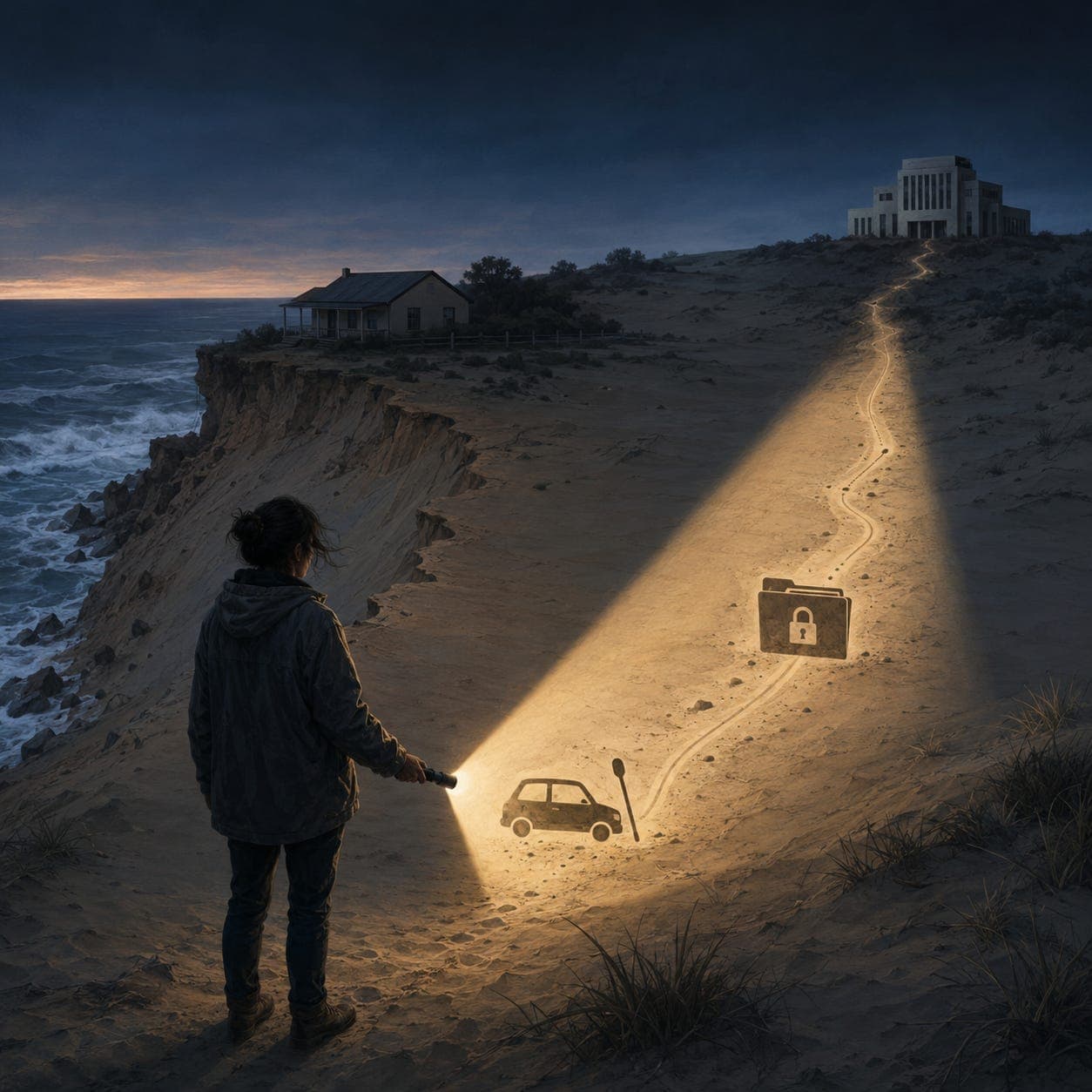
A patient was driving home on a long weekend. They take a prescribed medicine for anxiety. It happens to be a cannabis medicine, and they had taken the dose the evening before, the way the prescription recommends. There was no sign of impairment when the police pulled them over, and no test for impairment was done. The roadside test does not look for impairment. It looks for the mere presence of the drug, which is a different thing. They had taken their medicine and, for once, they had slept, instead of lying awake all night and driving the next day as the wrung-out, exhausted version of themselves. Whether that made them a safer driver is not something the test can tell you, and not something I will claim. What I will say is that no one found any sign their driving was affected.
Walker Briefing is a reader-supported publication. To receive new posts and support my work, consider becoming a free or paid subscriber.
The roadside test does not measure any of that. It found traces of the drug in their saliva and recorded a positive. Because it landed on a holiday long weekend, the penalty doubled, as it does for everyone in those periods: double the demerit points, double the fine. And then the part that does not mend. There was a job waiting in the United States, and it did not survive what the record now said: that they had driven with what the law calls a “prescribed illicit drug”. Prescribed by a doctor. Taken exactly as told. Illicit on the page all the same.
What did I think when I first heard it? I did not quite believe it. There had to be something else going on, something the story was leaving out. A lane drifted across. A corner taken badly. An overtake in a stupid place. There had to be a missing piece somewhere. There was not. Nothing. One real person, who had done exactly as prescribed. I have changed every detail here that might lead back to them, because I was trusted with it, and because there are others carrying some version of the same story who could read this and think I meant them alone.
Before you take another line of this from me, you already know where I stand, and I would rather you held me to it than took me on trust. I lead a party that argues for lawful access to medicinal cannabis. So when I tell you what happened to them was wrong, you have every reason to check me. Please do.
Here is the part you can check without me. The roadside test looks for one thing: whether a drug is present. Not whether it has affected you. Those are different questions, and the gap between them is the whole story. The hard part, and it is real, is that there is no quick test for cannabis the way a breathalyser reads alcohol, and some people who test positive really are affected and should not be driving. But the police can test for impairment when they choose to. The Commissioner told me how, in Parliament, when I asked. On the roadside, they did not. They tested for presence, and presence is what they acted on. The one tool that could have told a danger from a patient who took a lawful dose the night before was left in the drawer.
And the government knows the whole thing is contested. It says it is looking at reform. It also paid for its own review into exactly this question. That review is finished. I have asked, more than once in Parliament, that the people who paid for it be allowed to read it. The answer is no.
And while that review sat unread, the testing was widened again. Cocaine was added to it this July. That was done the ordinary way, by regulation, not by a vote in the House, and there is nothing sinister in that by itself. Most rules are made that way. What is worth your notice is when. It was signed in the winter recess, with the Parliament risen, and it took effect at once. By the time the House sits again and can even look at the rule, it will have been law for weeks, working on people the whole time. And here is the part to hold on to: anyone caught in that gap stays caught, even if the Parliament later decides the rule should never have stood.
Sit with the shape of that for a moment, because the shape is the whole point. Someone a long way from that person’s car decided how a life would go, and will never once carry the cost of having got it wrong. That person carried it. They did not.
Once you can see that shape you start to find it in places that have nothing to do with cannabis. Up the coast at Lancelin the sea is taking the ground out from under people’s houses. They asked for help. What the state put in was four hundred and fifty-eight thousand, two hundred and fifty dollars, counted to the last fifty, and the people who live there called it a bandaid and said so out loud. In that same stretch of time, that same government is spending two hundred and seventeen and a half million dollars on a motorsport racetrack. I know the money comes from different buckets, and no doubt there is a business case with jobs and tourism pinned to it. Set that aside, because the thing worth seeing sits above the accounting. For what it is worth, I have not myself met the person at a kitchen table who was asking for a racetrack, though I have met plenty who cannot get a straight answer about the coast their house is standing on. The people who will carry the consequence were the last ones asked. The people who decided will never stand on that dune as it goes.
Maybe you have felt, for a while now, that something in the way we are governed is off. Hold that feeling honestly. A feeling is not proof, and some of what any of us feels is only tiredness, or fear, or a thing we have quietly been sold. But a feeling like that earns a look. And when you take it to the record and actually check, more often than you would wish, it holds. The truth of a thing tends to show itself in the places nobody is watching. The review that stays unread. The rule quietly changed in the recess. The money that moves while everyone is looking the other way. That is where to look.
None of this is new. Almost two and a half centuries ago, Immanuel Kant put his finger on it. What kept ordinary people in their place, he said, was not a shortage of brains. It was a shortage of nerve, the nerve to use their own minds instead of leaving the thinking to someone happy to do it for them. He was not writing about drug tests or eroding coastlines. But here we are, all these years later, still waiting to be told. You would think we might have learned it by now.
I understand why looking is hard. It is meant to be. The days are long, the record is dull, and a good deal of it is arranged, or simply left, so that you will not wade in. It takes effort, and it is uncomfortable, and the discomfort is usually the sign that you are close to the thing that matters. You do not need to picture a villain for any of this. A system behaves the way systems behave, and this is how they behave when nobody makes them stop.
So here is the offer, and it is a smaller and harder thing than a politician promising to fix your life. I will show you how to look. Across this work I will show you my own working as I go, so you can hold it up against your own life and throw out whatever does not survive the test.
After that it is yours. If you look as hard as I am asking, and you weigh it, and you judge that I have it right, then yes, I would be glad of your vote, and I will ask for it in the open. But if you look and decide I have it wrong, and you back someone else because of what you saw, that is not a loss to me. That is the process working the way it should. I want your vote. I do not want it while you are asleep. I owe you clear sight. The rest was never mine to be owed.
There is someone who lost a job over a medicine taken exactly as prescribed. Start there. Then have a look at the rest of it.
Walker Briefing is a reader-supported publication. To receive new posts and support my work, consider becoming a free or paid subscriber.
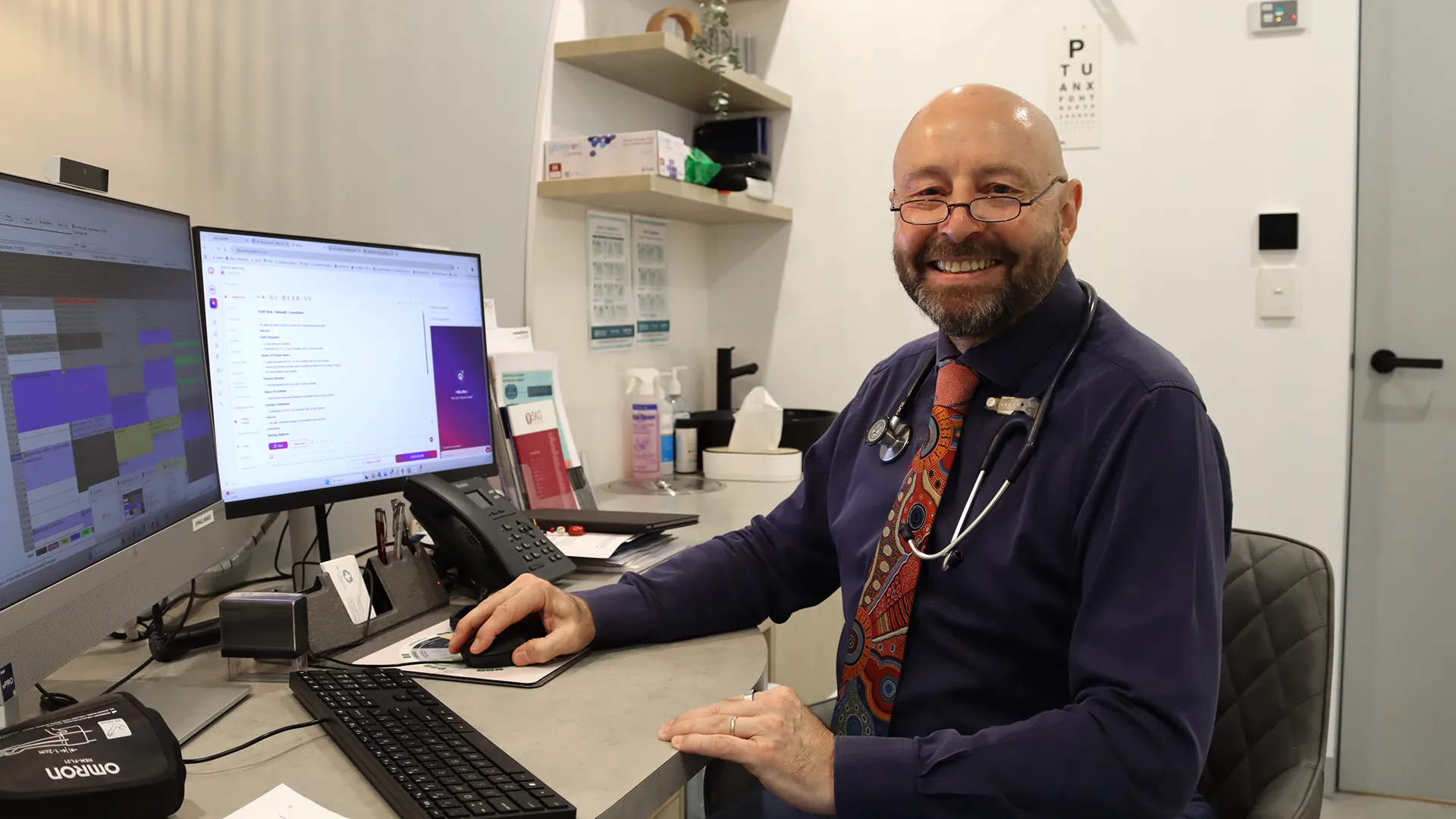
Written by
Hon Dr Brian Walker MLC
MB ChB · MRCGP · FRACGP · 45+ years as a GP
Brian Walker is a General Practitioner and Member for Western Australia in the WA Legislative Council. He is the Leader of the Legalise Cannabis Party WA and an advocate for evidence-based cannabis reform, healthcare improvement, and progressive policy in WA.
Share this article
Stay Updated
Get the latest news and parliamentary updates delivered to your inbox