Why we must treat the causes of social disorder not just the symptoms
Dr Brian Walker MLC critiques the Public Order Legislation Amendment Bill 2026, arguing that true safety comes from social cohesion and addressing root causes rather than expanding restrictive police powers.
Brian Walker
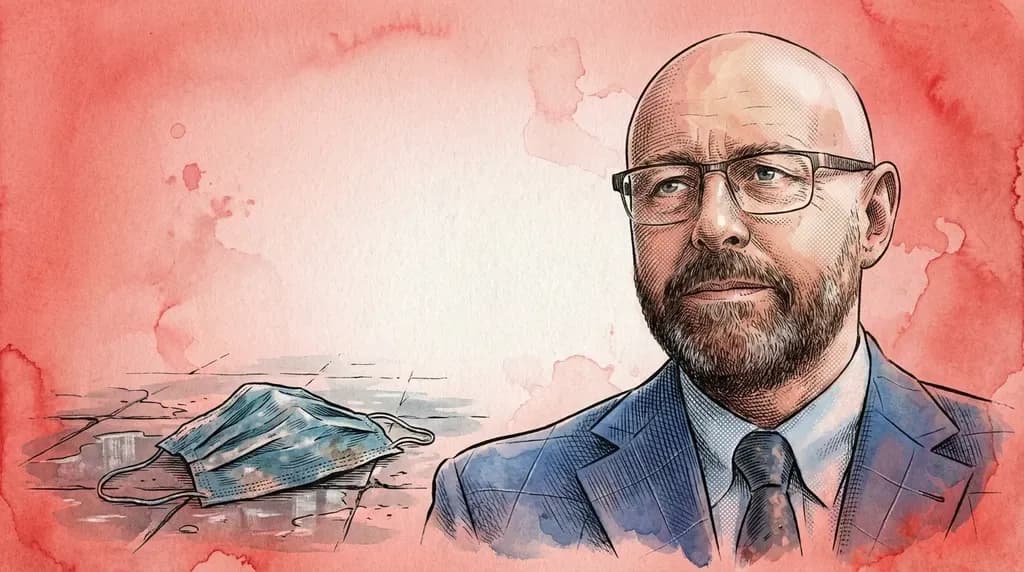
When a patient comes into my clinic with a persistent cough, I do not just hand them a lozenge and send them on their way. I look for the infection, the inflammation, or the environmental trigger. I look for the cause. If we only ever treat the symptoms, the underlying disease continues to ravage the body. This week in Parliament, as we debated the Public Order Legislation Amendment Bill 2026, I couldn't help but feel that we are once again reached for a cosmetic fix for a deep-seated social malaise.
The danger of a symptomatic fix
The government tells us this legislation is an urgent response to horrific events, including the tragedy at Bondi and an attempted attack here in Perth. These events were truly horrifying. Fear is a powerful motivator, and when we are afraid, we are easily persuaded to do what feels right in the moment. However, as I stood in the House, I had to ask: who actually benefits from these new powers? It is certainly not the safety of our people. The measures proposed, from banning face coverings to expanding protest regulations, do nothing to enhance the actual security of our population. Instead, they offer a narrative of action while leaving the structural drivers of radicalisation and social fragmentation completely untouched.
We are looking at a decline in social cohesion and a growing institutional distrust. These are the infections in our body politic. This bill does not address the radicalisation pathways that lead to violence. It does not address why people feel so disconnected from their community that they turn to depraved behaviour. While the major parties play politics with public anxiety, we must look at the evidence. The evidence suggests that increasing coercive powers without addressing why people are angry or desperate only pushes them further to the margins.
A prescription for community trust
In my years as a GP, I never saw a patient cured by red tape or restrictive mandates. True health, whether in a person or a society, requires trust. By handing unbridled, ill-defined powers to the police, we risk further eroding the bond between the citizen and the state. We are granting the power to determine what constitutes intimidation or apprehension based on bendable definitions. This isn't just bureaucracy; it is a step-by-step limitation of the freedoms we have long enjoyed. If we make laws that make people more antagonistic toward the institutions meant to protect them, we are failing in our primary duty.
If you value evidence-based policy and want to see more common sense in our laws, please consider subscribing to my YouTube channel for regular updates from the House:
https://www.youtube.com/channel/UCCIGBIf3b385BV5d48Y1U2A?sub_confirmation=1
Focusing on the real medicine
We need to be very focused. To have true order in our society, we must address the underlying causes of disorder. This means focusing on social cohesion programs. It means asking how we can help the person lying in the street who is hungry, thirsty, and unsheltered, rather than simply expanding the powers of a police officer to walk by them or move them along. These structural drivers remain untouched by this bill. The sinking feeling many Western Australians have when they look at the state of the world won't be cured by banning masks or complicating protest permits. It will be cured when they feel heard, valued, and safe in a cohesive community.
I supported the motion to refer this bill to the Standing Committee on Legislation because it desperately needs a diagnostic review. We cannot simply pretend that policing symptoms will make the disease vanish. We must move toward a phase where we encourage the ordinary man and woman in the street to believe in our institutions again by actually solving the problems that affect their daily lives. You can read the full record of my contribution in Hansard. If you want to help us fight for a fairer, more sensible Western Australia, please consider joining Legalise Cannabis WA today.

Written by
Hon Dr Brian Walker MLC
MB ChB · MRCGP · FRACGP · 45+ years as a GP
Brian Walker is a General Practitioner and Member for Western Australia in the WA Legislative Council. He is the Leader of the Legalise Cannabis Party WA and an advocate for evidence-based cannabis reform, healthcare improvement, and progressive policy in WA.
Share this article
Stay Updated
Get the latest news and parliamentary updates delivered to your inbox