The Energy Crisis WA Can't Afford to Ignore
Dr Brian Walker critiques the WA government's failure to provide reliable, affordable electricity, revealing the escalating impact on households, businesses and regional communities. He calls for innovative leadership and clear energy targets.
Brian Walker
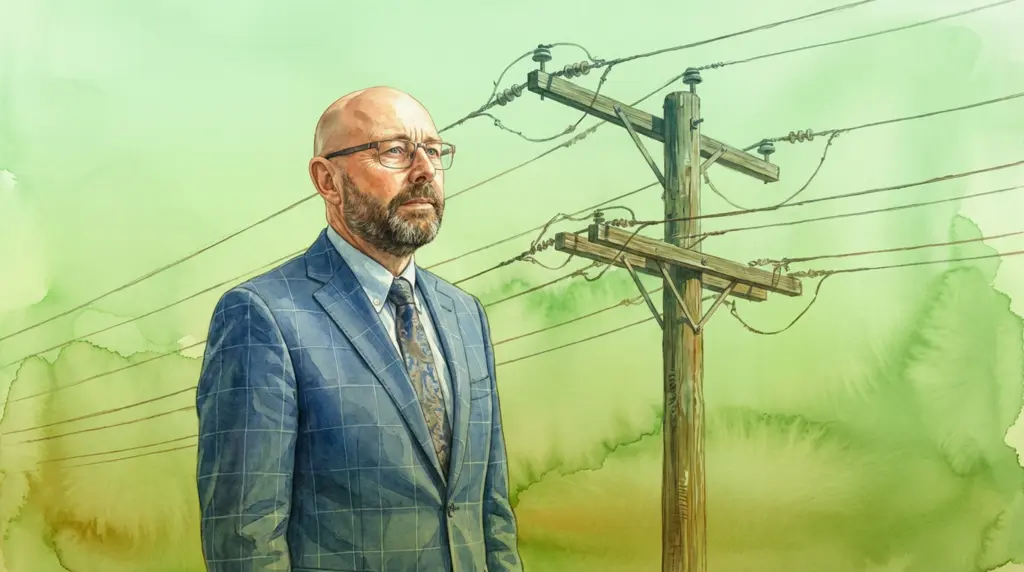
Western Australia is facing an energy crisis, and it is not just a political debate. It is about the lights going out, families struggling to pay bills and regional communities living in constant power uncertainty.
The unexpected answer: Learning from failure
In recent debates, it became crystal clear that the current government has failed to deliver reliable and cost-effective electricity to many Western Australians. The planned coal closures, the slow rollout of renewables and the widening gap between rhetoric and reality are putting our state on a precarious path. For all the talk about transitioning at pace, the government’s own energy plan has been pushed back years. Seven years since the last whole-of-system plan was delivered is not a plan at all; it is a blueprint lost in time.
The risk is palpable. Businesses are paying up to 45% more for energy. That cost trickles down to supermarkets and farmers, who face soaring bills before the vegetables even reach the shelf. Families find their weekly grocery shop climbing at the checkout. This is not just bureaucracy; it’s a waiting room where affordability kills more quietly. And for those in the regions, the burden is even worse.
A region left in the dark
For regional Western Australians, the situation is dire. Frequent power outages close supermarkets, shut doctors’ surgeries and jeopardise refrigerated medications like insulin that are life-dependent. Imagine a blistering forty-degree day spent in a fibro house with no air conditioning, no fans, no mobile signal and running a diesel generator just to keep the basics going. This is the reality for many across the Wheatbelt, Goldfields and Mid West.
The infrastructure is crumbling. The energy grid was built decades ago and hardly upgraded since. The result is not just inconvenience; it is a direct threat to health, productivity and security. This is the human cost of energy unreliability, and it is unacceptable.
If we do not act now, this regional canary in the coalmine will soon be the experience for metropolitan WA too.
While major parties squabble over ideology, the people of WA need leadership grounded in fact and compassion.
If you want to dive deeper into the nuances of this debate, understanding the challenges, victories and complexities, I invite you to subscribe to my YouTube channel for updates and discussions on energy and health.
Innovation over ideology: A medical diagnosis for energy policy
As a medical doctor turned politician, I see parallels here: the health of our energy system forms the backbone of our society’s wellbeing. In my years as a GP, I never saw a patient cured by red tape or half-formed plans. We need clarity, certainty and a comprehensive whole-of-system approach that doesn’t just delay decision-making but leads us to a sustainable future.
Neither blaming the past nor prolonging the status quo will help. The government’s deferral of the whole-of-system plan, attempting to cover up failures, only deepens public distrust. The human cost is real: families, businesses and communities bear the heavy toll of inaction.
We must move beyond past economic dogmas. Neoliberalism, with its focus on profits for a few, has led us here: a fractured energy market and rising fear among households who worry how the next bill will land.
The only remedy is innovation coupled with decisive leadership. The time for incrementalism is over. Facing an existential challenge akin to a state of war, we must prioritise renewable energy integration, backed by robust infrastructure and smart transition planning that sets clear targets and leaves no one behind.
The majority of Western Australians—74% according to recent surveys—urgently want a new direction with a renewable energy target that delivers both climate action and affordable power.
Change is coming whether we like it or not. Leadership means guiding this change with empathy and pragmatism rather than denial and division.
The full Legislative Council debate lays bare these challenges and the pressing need for reform. If you share my commitment to seek sensible, evidence-based solutions that put people first, I encourage you to join Legalise Cannabis WA and contribute to building a fairer, healthier Western Australia.

Written by
Hon Dr Brian Walker MLC
MB ChB · MRCGP · FRACGP · 45+ years as a GP
Brian Walker is a General Practitioner and Member for Western Australia in the WA Legislative Council. He is the Leader of the Legalise Cannabis Party WA and an advocate for evidence-based cannabis reform, healthcare improvement, and progressive policy in WA.
Share this article
Stay Updated
Get the latest news and parliamentary updates delivered to your inbox