When Cat Laws Clash with Common Sense
Dr Brian Walker examines the clash over WA’s cat containment laws, highlighting a broken state act, local government frustrations, and the urgent need for balanced reform to protect wildlife and community wellbeing.
Brian Walker
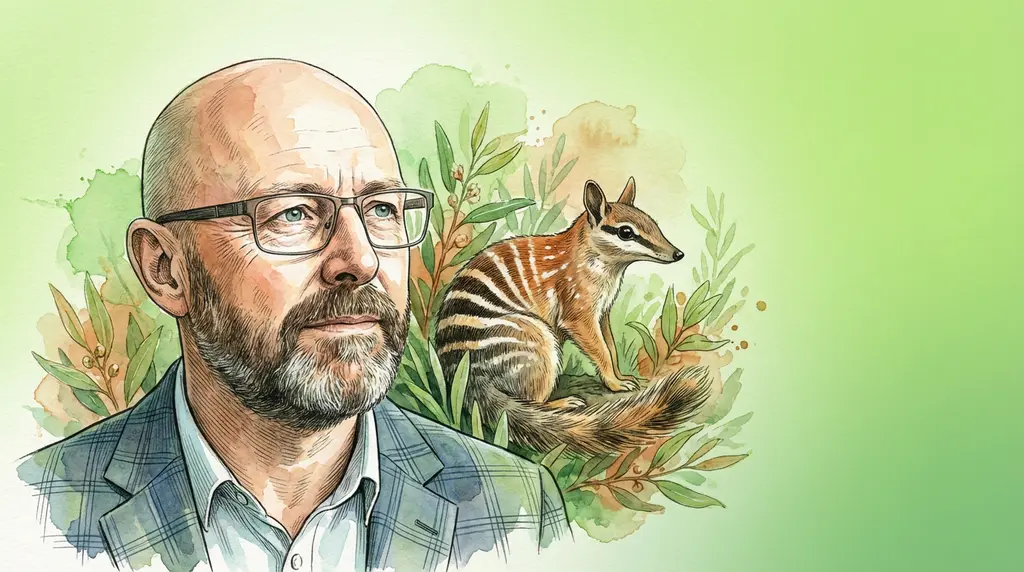
Western Australia's beloved numbats are not just a symbol but a ticking reminder: our native wildlife faces daily threats from roaming cats. The Shire of Pingelly stepped up with the "Save the Numbats Local Law 2025," aiming to curb cat predation once and for all. Yet today, that local law faces disallowance, and the fault lines it exposes go far deeper than local regulations.
The unexpected answer: broken law blocks local solutions
Over the years, 28 local governments have made the same call, only to have their cat local laws disallowed. The root problem? A Cat Act enacted more than a decade ago now tangled in its own complexity and ambiguity. The Shire of Pingelly followed every step with earnest intent, trying to protect local ecosystems and communities. Instead, it hit a legislative dead end, thanks to interpretations by a committee that sees the law as preventing, rather than enabling, local action.
As a medical doctor, I know interpretation in science and law can mean life or death. Similarly, when legal interpretation ignores legislative intent, it’s not just a paperwork issue—it becomes a public policy failure. The government promised amendments to the Cat Act are coming, yet the timing remains uncertain while local governments wrestle with mounting pressures.
Meanwhile, thousands of native animals continue to perish each year, their deaths not measured by legislation but by the silent suffering of our environment. The impact is no mere statistic; it ripples through rural economies, farms, and community wellbeing.
Voices of reason: balancing science, ethics and community
Among the chamber’s voices are those who see cat containment as a straightforward answer—others caution that mandatory confinement, without investment in education and veterinary support, risks devastating unintended consequences. Cat Haven reports over 75% of incoming cats are un-desexed, a figure unchanged for years, and experts warn that forcing pets indoors risks an influx of surrendered, suffering animals. This is no simple matter of enforcement but a mosaic of ethical, ecological and social concerns.
Effective measures are already known: targeted desexing, microchipping, community education and incentives to build safe enclosures. These are the kinds of solutions supported by those who live with this problem daily, including rescue groups and local governments burdened with stretched resources. The conversation cannot afford to be reduced to black and white.
For the forward thinkers among us—those who value evidence, community engagement, and compassionate governance—this moment calls for patience and pressure on the state government for meaningful, properly resourced reform. Waiting rooms can be deadly, and this isn't just bureaucracy; it’s a waiting room where wildlife and pet wellbeing hang in the balance.
By now, the message is clear: simply disallowing these local laws without fixing the underlying legislation is a costly delay with real human and environmental consequences.
If you want to hear more conversations like this, explore the layers behind today's debate, and stay connected with thoughtful perspectives, I invite you to subscribe to my YouTube channel.
Subscribe here for updates and reflections.
The bigger picture: clarity and respect matter
Legislation is a living instrument; it requires clarity and respect for its intent. It troubles me deeply that the Shire of Pingelly was accused of ignoring committee requests, when in fact it demonstrated consistent good faith. Blaming local governments for striving to protect their communities misses the point. This is a state government responsibility that remains unfulfilled, leaving local bodies caught between community expectations and parliamentary gridlock.
In medicine, when a system fails patients, we do not turn our backs—we adapt, we reform. So must the state government. The forthcoming amendments to the Cat Act must be prioritised, genuinely consult stakeholders on the front lines, and foster an environment where local governments empower, rather than frustrate, effective wildlife protection.
This is an opportunity for Parliament to listen, lead, and Legalise sensible, science-driven laws that nurture both our wildlife and our communities.
For the full debate and official record on the Shire of Pingelly Save the Numbats Local Law 2025, see the Legislative Council transcript. To join those who want practical change, consider becoming a member of Legalise Cannabis WA—a party that stands for evidence, compassion and common sense in policymaking.

Written by
Hon Dr Brian Walker MLC
MB ChB · MRCGP · FRACGP · 45+ years as a GP
Brian Walker is a General Practitioner and Member for Western Australia in the WA Legislative Council. He is the Leader of the Legalise Cannabis Party WA and an advocate for evidence-based cannabis reform, healthcare improvement, and progressive policy in WA.
Share this article
Stay Updated
Get the latest news and parliamentary updates delivered to your inbox