When Seeking Help Costs You Your Licence
Dr Brian Walker MLC raises the alarm in the Legislative Council over the unintended consequences of WA's Firearms Act, warning that health assessment requirements are deterring regional Australians from seeking mental health help.
Brian Walker
The trap hiding inside a good intention
There is a farmer somewhere in regional Western Australia right now who is struggling. Bad season. A sick child. The weight of rural isolation pressing down. His wife has noticed. He has worked through the stigma, made a decision, and is ready to talk to someone.
Then he remembers what that conversation might cost him.
Under the Firearms Act 2024, seeking help for a mental health condition could put his firearms licence at risk when he undergoes a Firearms Authority Health Assessment. That is not speculation. That is the documented, on-the-record concern of the Mental Health Commissioner, the Royal Australian College of General Practitioners, and a growing number of GPs across this state who are watching it happen in real time.
I raised these concerns in the Legislative Council today during debate on the Standing Committee on Legislation report into the Firearms Act. And I want to be honest with you about what I found.
The numbers that should keep us up at night
Let me put on my GP hat for a moment, because I am one of the few people in that chamber who has actually completed these assessments.
I disliked the form. I disliked what was being asked of me. And I want to be very clear about something the government keeps glossing over: when I tick the box marked "not suitable," no licensing authority on earth is going to override that. The claim that doctors do not have the final say is, to put it plainly, misleading. We have three boxes. Every one of them shapes the outcome. That is having the final say.
Now consider the scale of what we are asking regional GPs to carry. There are approximately 600 GPs serving all of regional Western Australia. There are around 40,000 licensed firearms owners in those same regions who need a health assessment. At a conservative 20 minutes per assessment, that is 40,000 appointments sitting on top of an already overwhelmed rural health system. At 1,500 completed per month, it would take more than two years just to work through the backlog. And 80 per cent of GPs polled said they were unlikely to participate at all.
The Northampton Doctors Surgery near where I live operates three sessions a day. It is not open full time. We are lucky to have it. What happens to the patient who misses out on a standard appointment because the system is clogged with mandatory assessments? Who does not get seen? That question deserves a real answer.
If you want to see and hear more of this debate as it unfolds in real time, I invite you to subscribe to my YouTube channel where I cover the issues that matter most to Western Australians.
The unexpected answer hiding in the report
The committee's report, after receiving over 2,500 submissions and sitting through two weeks of hearings, concluded at paragraph 7.37 that no evidence was given to substantiate claims that a licence holder was practically affected by the health assessment process.
The Mental Health Commissioner had already explained exactly why that evidence would be absent. If a person has a strong interest in keeping their firearms licence, they are less likely to disclose mental health issues, alcohol use, or suicidal ideation. Of course there is no trail of self-incrimination. That is the entire problem.
The RACGP was equally clear. Risk assessments of this nature are, in their words, inherently uncertain and clinically unreliable. Mental health symptoms fluctuate. A point-in-time snapshot tells you very little about future risk. And the absence of clear, evidence-based standards means GPs are being asked to make high-stakes legal determinations with no clinical framework to guide them.
These are not fringe concerns. These are the considered positions of the peak bodies representing the profession. The report categorises them as speculation. I respectfully, and professionally, disagree.
What good law actually looks like
The committee's recommendation to reconvene the Health Assessment Working Group is the right instinct. It needs to happen quickly and it needs to happen with genuine engagement from the medical community, not a tick-the-box consultation after the decisions have already been made.
Firearms legislation should protect communities. It should not deter people from seeking mental health care. It should not collapse the appointment books of rural GPs who are already stretched past capacity. And it should not give any authority the unchecked power to cancel a licence based on an opinion formed without clear evidence, as the email I read into Hansard today illustrates in troubling detail.
We can do this properly. We can have strong, safe, evidence-based firearms laws that treat law-abiding Western Australians with respect and do not drive a wedge between vulnerable people and the help they need.
You can read my full contribution and the complete debate in the official Hansard record of the Legislative Council. If you believe Western Australia deserves better than rushed legislation and ignored expert advice, I encourage you to get involved and join Legalise Cannabis WA, a party that takes evidence seriously and puts people first.
Written by
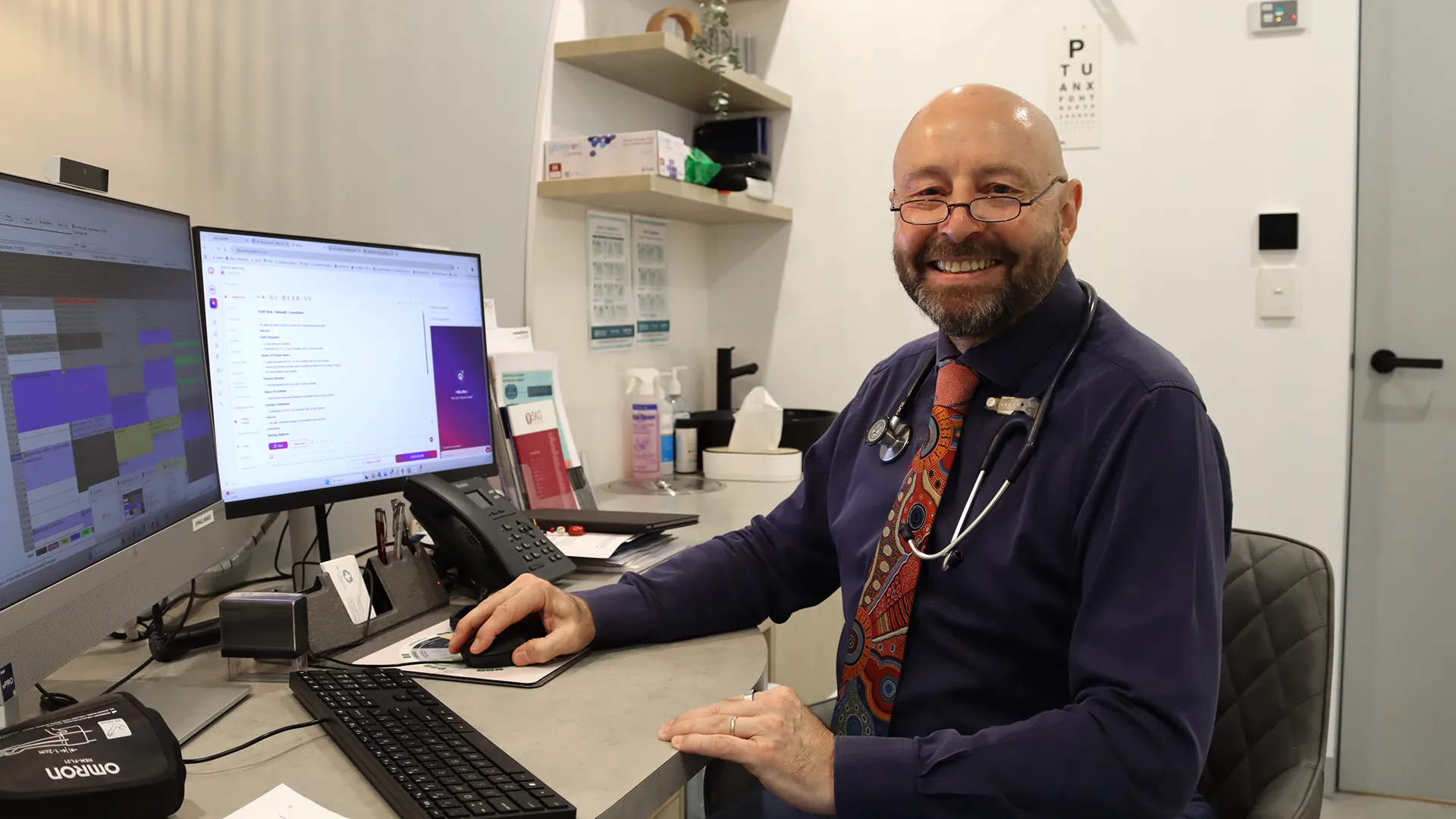
Hon Dr Brian Walker MLC
MB ChB · MRCGP · FRACGP · 45+ years as a GP
Brian Walker is a General Practitioner and Member for Western Australia in the WA Legislative Council. He is the Leader of the Legalise Cannabis Party WA and an advocate for evidence-based cannabis reform, healthcare improvement, and progressive policy in WA.
Share this article
Stay Updated
Get the latest news and parliamentary updates delivered to your inbox