Why Watching Our Environment Decline Is Not a Medical Strategy
Dr Brian Walker MLC compares the state of WA’s environment to a terminal patient being monitored to death, calling for urgent action over more government reports.
Brian Walker
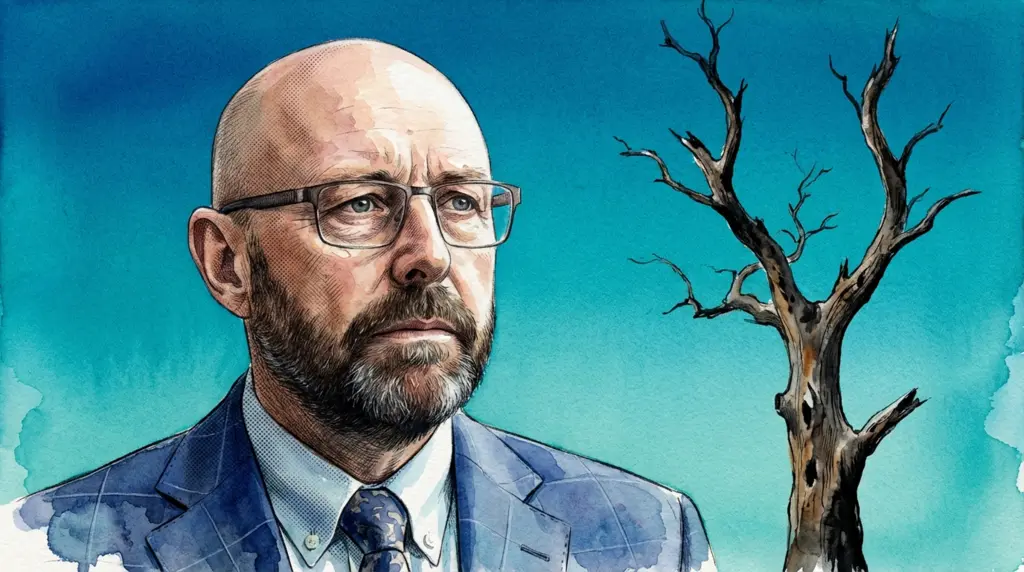
I have spent most of my professional life as a GP, sitting across from patients who are facing the most frightening news of their lives. When a patient is suffering from a terminal illness, the last thing they need is a doctor who simply stands by, taking notes and scheduling more tests while the disease ravages their body. In the medical world, we call that monitoring a patient to death. It is professional, it is thorough, and it is utterly useless if there is no treatment plan attached.
The terminal waiting room
Recently in the House, we debated a motion regarding the State of the Environment Report. It has been nearly two decades since Western Australia last saw a comprehensive update on the health of our land, water, and air. While some in Parliament argue that we desperately need a new report to understand what is happening, I find myself in a difficult position. I disagree. Not because I don't care about our forests or our oceans, but because I have seen this movie before. We are treating our environment like a terminal cancer patient in a waiting room.
The risk we face is visceral. This is not just a matter of bureaucracy or missing data: it is an immediate danger to the health of our communities. If we ignore the underlying sickness within our state’s ecosystems, we are essentially watching our own life support system fail. In my years as a GP, I never saw a patient cured by red tape. Reports do not plant trees, they do not stop the bleaching of our reefs, and they certainly do not halt the collapse of our native species.
Action over observation
We are currently operating under a neoliberal philosophy that demands growth at all costs, often raping the environment for the profit of transnational corporations. We see the removal of resources at minimal cost to the industry and maximum loss to the people of Western Australia. The government has, in effect, defanged the Environmental Protection Authority to ensure these profits keep flowing while our vegetation disappears and our climate shifts. Monitoring this destruction with a new report is like a specialist telling a patient they have three months to live and then booking a follow-up appointment for four months time.
The evidence is clear. The government has the data. What is missing is the clinical will to act. While the major parties play politics with reports and platforms, those of us who believe in evidence-based, science-first solutions are looking for actual restoration.
If you value a common-sense, medical approach to our state's health, I invite you to subscribe to my YouTube channel where I discuss these issues further.
A war for our future
The sinking feeling you get when you see our forests drying out or our fish stocks plummeting is a natural response to a genuine crisis. We must treat this like the war it is. In wartime, we do not just write reports: we innovate, we build, and we defend. We need to harness science and traditional knowledge to rehabilitate our world, not just document its failure. We have the tools. We have the ideas. What we lack is a government with the mindset to move beyond cosmetic gestures.
We can no longer afford to be bean counters while our natural inheritance is spent. The task before us is urgent. It is life-and-death. My clinical diagnosis is that the status quo is failing, and more paperwork won't save us. You can read the full transcript of this debate in the Parliamentary Hansard. To join a movement that prioritises evidence and action over rhetoric, consider joining Legalise Cannabis WA today.
Written by
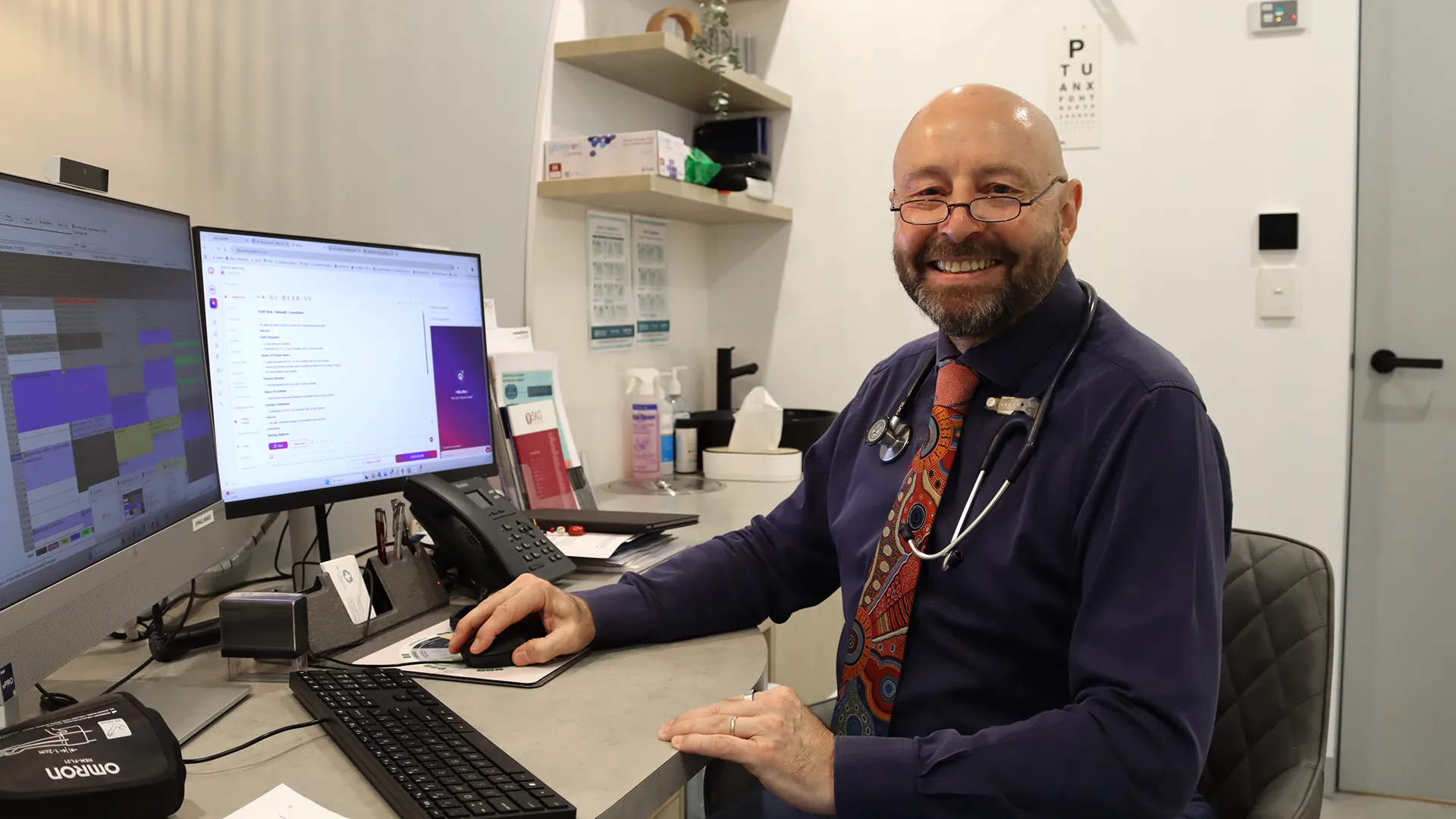
Hon Dr Brian Walker MLC
MB ChB · MRCGP · FRACGP · 45+ years as a GP
Brian Walker is a General Practitioner and Member for Western Australia in the WA Legislative Council. He is the Leader of the Legalise Cannabis Party WA and an advocate for evidence-based cannabis reform, healthcare improvement, and progressive policy in WA.
Share this article
Stay Updated
Get the latest news and parliamentary updates delivered to your inbox