01
Naloxone everywhere
Make free take-home naloxone routine and easy to obtain through pharmacies, hospitals, treatment services, outreach and custodial release.

Penington Institute Annual Overdose Report 2026
Overdose is preventable. The response should be led by evidence, health care and harm reduction, not stigma.
Updated September 2026
2,596
drug-induced deaths in Australia in 2024
2,091
were unintentional drug-induced deaths
9.0
WA unintentional drug-induced deaths per 100,000 people
233%
rise in WA's rate from 2004 to 2024
Source: Penington Institute, Annual Overdose Report 2026, executive summary pp. xii-xiv and WA chapter p. 13.
The charts
All figures below come from Penington Institute's Australia's Annual Overdose Report 2026.
WA trend
WA went from 2.7 deaths per 100,000 people in 2004 to 9.0 in 2024.
2023 and 2024 data are preliminary and likely to rise.
Source: Figure 7.1 and discussion, p. 13; data cube, p. 160.
2024 state comparison
Apart from 2016, WA has had the highest rate every year since 2011.
Source: Figure 7.1 and discussion, p. 13; data cube, p. 160.
City and country
8.9
Greater Perth
218 unintentional drug-induced deaths in 2024
8.6
Rest of WA
54 unintentional drug-induced deaths in 2024
Greater Perth and regional WA are both carrying the crisis.
Source: Table 7.1, p. 14.
National comparison
Australia built a road-safety culture. Drug-induced deaths demand the same seriousness.
This comparison uses all drug-induced deaths, including intentional and undetermined deaths, as defined by the report.
Source: Figure 5.1, p. 3; data cube, p. 154.
Primary Health Networks
Counts are 2024 unintentional drug-induced deaths. Rates are age-standardised averages for 2020-2024: Perth South 9.8, Country WA 8.5 and Perth North 8.2 per 100,000.
Source: Table 9.12, p. 107.
Local areas
Top ten WA Statistical Area 3 counts, aggregated across 2015-2024. Gosnells and Bayswater-Bassendean share eighth place.
Source: Table 9.13, pp. 118-119.
Not one stereotype
2024 Australian unintentional drug-induced deaths involving each drug type. Categories overlap and must not be added together.
Source: Executive summary, pp. xiii-xiv; cannabinoids, pp. 72-76; data cube, p. 155.
A health-led response
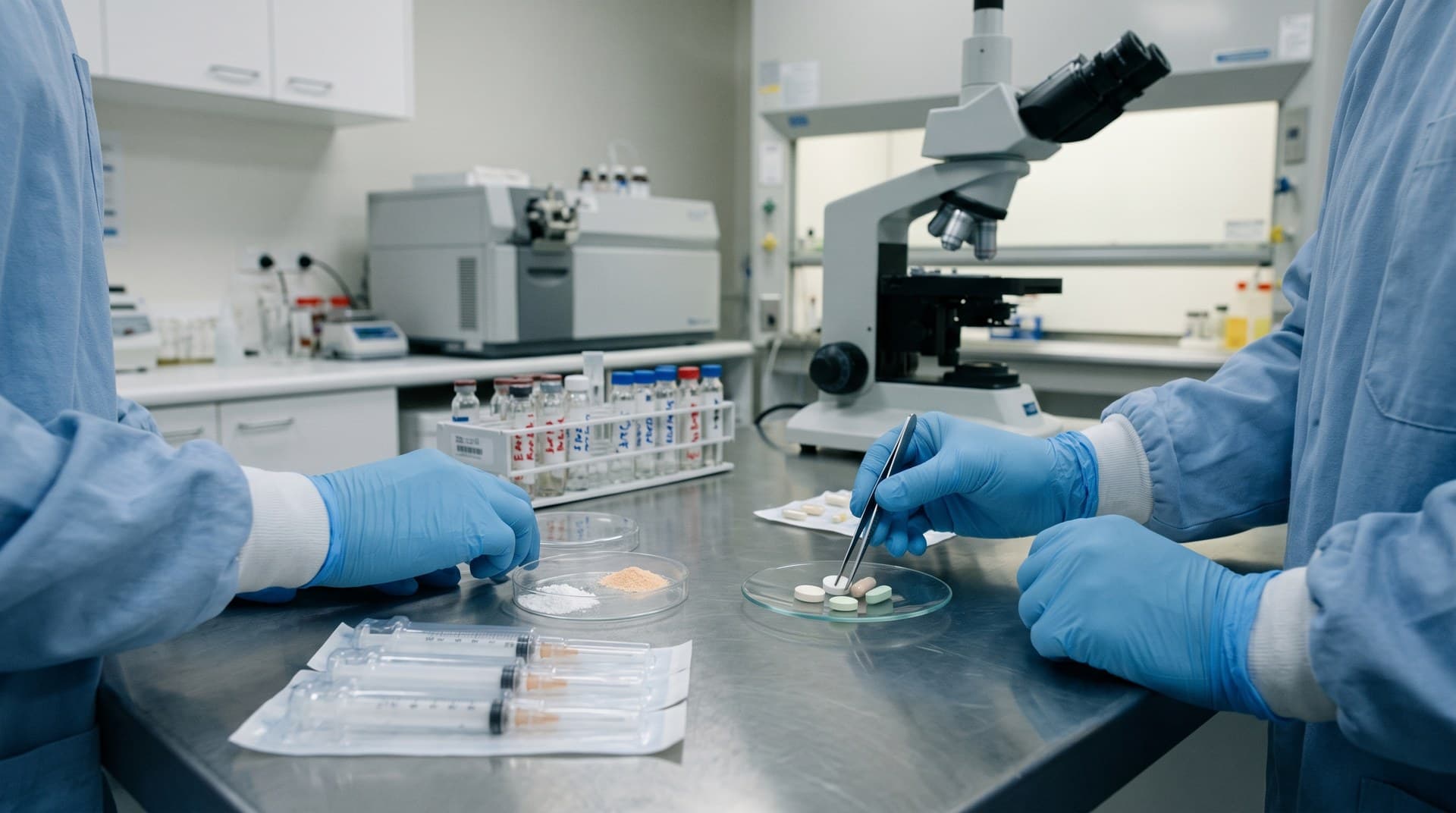
Brian supports free, voluntary and anonymous clinical drug checking as one practical way to understand a changing drug supply and give people clearer information before harm occurs.
What this means
The data does not support a simple “tough on drugs” story. The report records deaths involving illicit substances, pharmaceutical medicines and alcohol, often with multiple drug types recorded. It also notes pre-existing health conditions and social disadvantage.
Make free take-home naloxone routine and easy to obtain through pharmacies, hospitals, treatment services, outreach and custodial release.
Provide timely, affordable, evidence-based treatment, including opioid pharmacotherapy, without judgement or barriers that turn people away.
Offer voluntary, confidential, health-led testing so people can learn what a substance contains, understand the risks and make a more informed choice, without police involvement.
Give people, families and frontline workers practical skills to recognise an overdose, respond immediately and reduce avoidable risks, without judgement or scare campaigns.

“WA has the highest unintentional drug-induced death rate in the country. That should shame us into action. People do not need slogans after they die. They need naloxone, treatment, drug checking and a government willing to follow the evidence.”
Hon Dr Brian Walker MLC
These charts are drawn from Penington Institute's Australia's Annual Overdose Report 2026. The report notes that 2023 and 2024 data are preliminary and likely to rise.
Simple data. Human stakes. Preventable deaths.
The point is not to frighten people. The point is to stop people dying.